 OUR PICK
Free online games — a little play, every day.
Our picks
View moreWhy each game made the list: who it suits, what stands out and how it differs from similar games.
OUR PICK- Best for
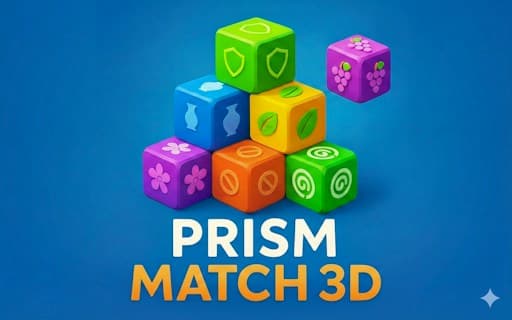
- Tile-matching fans who want a board they can turn over and look behind.
- Why it stands out
- Rotate or tilt a cluster of picture cubes to find matching sets. Covered grey cubes become selectable when the cubes in front of them are cleared.
- How it differs
- Instead of a flat stack, you turn the cluster to find matches on every side, and seven unmatched cubes in the tray end the run.
 OUR PICK
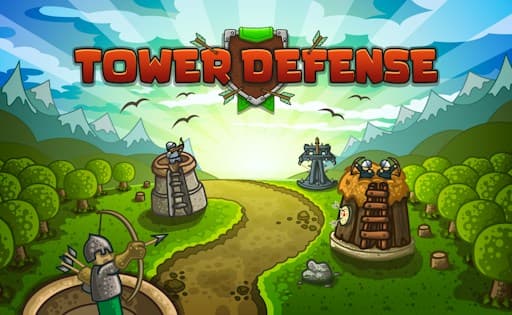
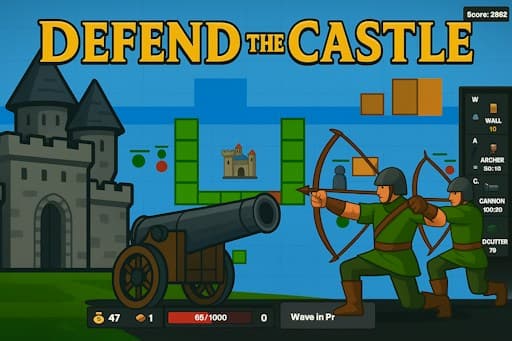
Defend the Castle
- Best for
- Strategy players who like tower defense with an economy to run between waves.
- Why it stands out
- Gold and wood pay for walls, archer and cannon towers, woodcutter huts and gem mines, and your castle's health never refills between waves.
- How it differs
- Before some waves the King's Gambit offers a trade, like tougher enemies for extra wood, and medals from each run buy permanent upgrades.
 OUR PICK
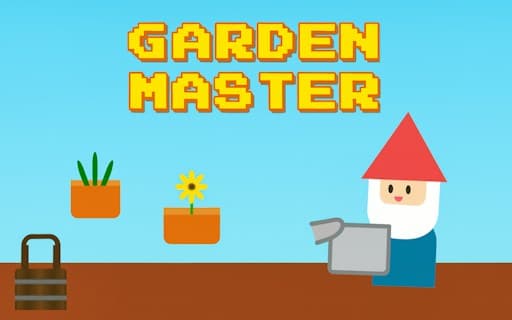
Garden Master
- Best for
- Anyone who likes short, hectic juggling games.
- Why it stands out
- A garden gnome waters five thirsty pots, refills its can at a barrel and whacks gophers that drain a pot in seconds.
- How it differs
- No matching or shooting: it is pure time management. One empty water bar ends the round, so the skill is choosing where to walk next.
 OUR PICK
Vegan Quest
- Best for
- Players who enjoy catching falling objects and deciding quickly which items to avoid.
- Why it stands out
- Catch fruit and vegetables, dodge steak, bacon, cheese and eggs. Every 400 points brings a faster level and refills all three hearts.
- How it differs
- The hero snaps straight to the mouse or your finger, so quick choices matter more than steering, and every missed fruit or vegetable costs points.
 OUR PICK
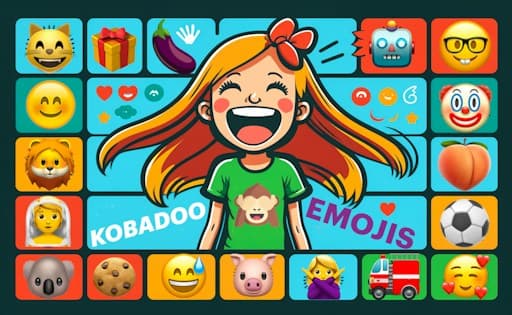
Kobadoo Emojis
- Best for
- Players who enjoy remembering picture sequences and telling similar emojis apart.
- Why it stands out
- Emojis flash one at a time, then you pick them in order from a grid of about 30. The sequence grows from two emojis to six by level 13.
- How it differs
- The answer grid changes each round, so remembering a position is not enough. Similar emojis can appear together, making the details of each picture matter.
 OUR PICK
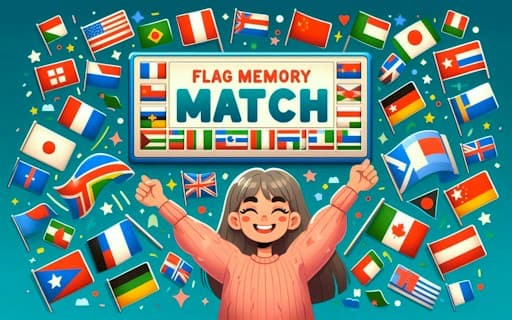
Flag Memory Match
- Best for
- Geography learners and fans of the classic flip-two-cards pairs game.
- Why it stands out
- Turning a card reveals a flag and shows its country name in the top bar. The first board has eight pairs, with larger boards introduced as you progress.
- How it differs
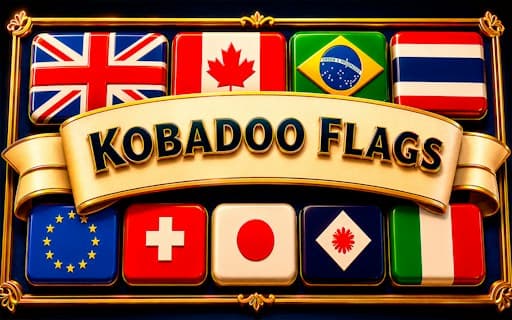
- No timer and no fail screen: a wrong pair costs one point. Kobadoo Flags asks you to recall flags in order instead, and one slip ends it.
 OUR PICK
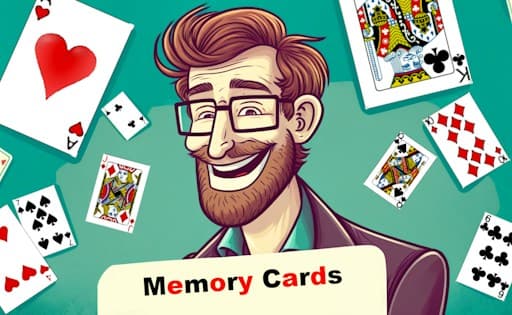
Memory Cards
- Best for
- Players who enjoy recalling playing cards by both rank and suit, then selecting them in sequence.
- Why it stands out
- Playing cards are shown one by one with their names, then you pick them in order from a face-up grid, across 31 levels.
- How it differs
- The grid groups cards by rank, so same-number cards of different suits sit side by side and you must hold both number and suit in mind.
 OUR PICK
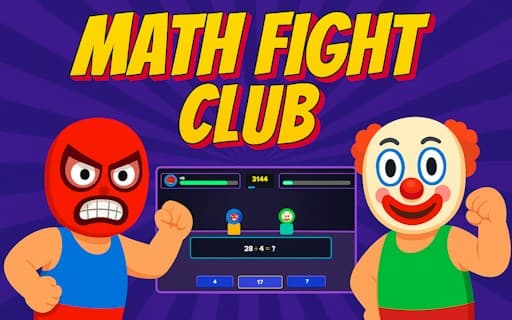
Math Fight Club
- Best for
- Players who want a timed math quiz that moves from arithmetic to equations, roots, powers, and logarithms.
- Why it stands out
- A luchador tournament against six rivals, each with a topic, from sums to fractions, equations, roots, powers, factorials and logs.
- How it differs
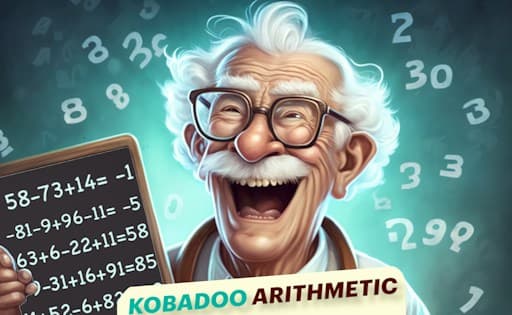
- Each question gives about ten seconds and three answers, and streaks build combos. Kobadoo Arithmetic is about adding from memory instead.
 OUR PICK
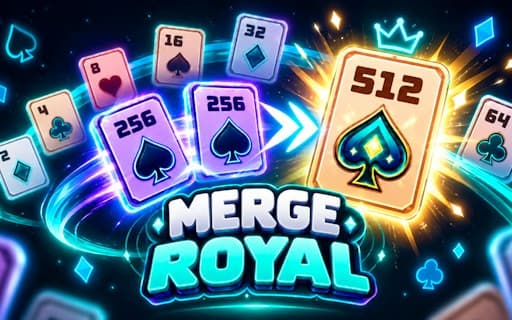
Merge Royal
- Best for
- Number-merging puzzle fans who want more control over each move.
- Why it stands out
- Drag equal-value cards together across four columns to merge them. A buried card can carry the cards above it, and successful merges fill the level meter.
- How it differs
- You move single cards or whole stacks instead of sliding a grid, and wrong drops spend one of ten mistakes that refill at each level up.
 OUR PICK
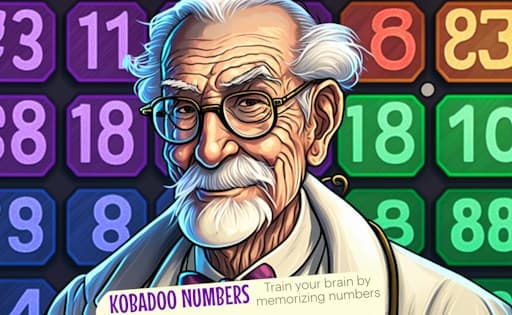
Kobadoo Numbers
- Best for
- Players who prefer remembering number sequences to remembering pictures or playing cards.
- Why it stands out
- Numbers from 0 to 99 flash one at a time, then you tap them in order on a board of about 30 that is always sorted from low to high.
- How it differs
- The sorted board makes finding a number easy, so the test is pure recall, and close values such as 30, 32 and 35 often come together.
 OUR PICK
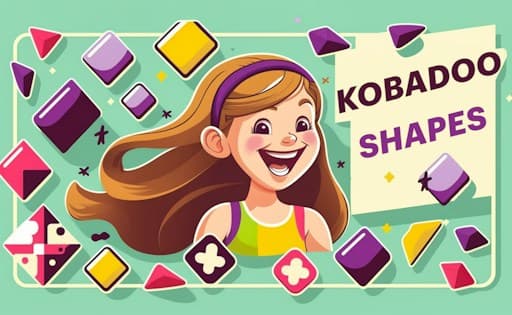
Kobadoo Shapes
- Best for
- Players who enjoy recalling combinations of colors and shapes and distinguishing similar outlines.
- Why it stands out
- Every shape is shown with a caption naming its color and form, such as Purple Star or Brown Diamond, before the order test begins.
- How it differs
- The answer board drops the captions and groups shapes by color, so players have to tell a red square from a red parallelogram.
 OUR PICK
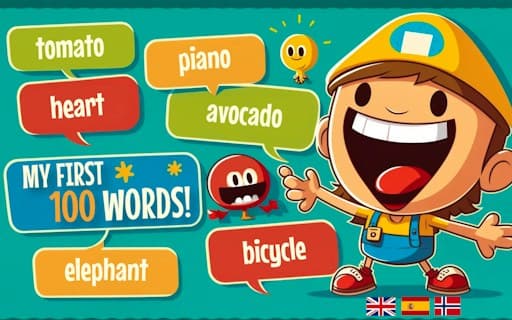
My First 100 Words
- Best for
- Young children learning first words, and families practicing a second language.
- Why it stands out
- Choose English, Spanish, French or Norwegian. Each word appears as a picture with a caption, then the game asks where it is.
- How it differs
- Each question names the object to find in a grid of 12 pictures, and the answer screen has no countdown. A wrong answer still ends the run.