Combat Platformers: Balance Attacks with Safe Landings
On this page
An enemy beside a platform edge creates two problems at once: how to handle the opponent and where the character can safely land. Attacking successfully does not automatically solve the jump. A movement burst can clear immediate danger while leaving an awkward continuation. In combat platformers, plan the landing as part of the encounter rather than treat combat and platforms as separate screens.
The examples here use Stick vs Zombies - Epic Battle, Super Slashman, Ninja in Cape and Red Stickman vs Monster School. They support a practical method: identify the surface, distinguish movement from attack, account for interaction inputs and inspect the position after the exchange. Exact enemy behavior still belongs to the current level.
| Planning step | Concrete example | Documented action |
|---|---|---|
| Separate movement burst from jump | Stick vs Zombies | Space performs a quick dash |
| Keep a standing surface during melee | Super Slashman | Z slashes; arrows move |
| Learn weapon activation separately | Ninja in Cape | Space jumps; displayed attack action |
| Read the second jump as movement | Red Stickman vs Monster School | Up again performs a double jump |
Map the landing before choosing the attack
Begin by identifying the surface you intend to occupy after the encounter. Is it broad enough to continue moving, and is another enemy or gap beside it? This is a route question before it is a damage question. A target near an edge can distract you from the fact that there is little usable space behind it.
In Super Slashman, arrow movement and the Z sword slash are separate actions. Plan a position where the slash can be attempted without losing track of the edge. The guide establishes a close-range sword interaction, not permission to ignore the platform beneath the hero.
Do not substitute a dash for an assumed jump
Stick vs Zombies - Epic Battle maps Space to a quick dash, uses WASD to move and left mouse to attack. Holding the attack triggers a superattack. A familiar platform habit can therefore be misleading: Space is not documented here as a generic jump.
Before a crowded section, understand where the dash carries the character in the current context. A burst can change position quickly, which makes the continuation important. Use the actual movement rules rather than expect a remembered key from another platformer to produce an aerial landing.
Treat weapon pickup as another action in the sequence
Stick vs Zombies uses E to pick up or drop an item. That means reaching a weapon, acquiring it and attacking are distinct steps. If you arrive at a tight landing under pressure, the extra interaction may matter as much as the weapon's attraction.
Ninja in Cape also includes collected weapons across 20 levels, with arrow movement, Space to jump and a displayed attack control. Learn that activation before entering a jump-and-enemy combination. Merely possessing a different tool does not explain how to use it while moving.
Use a second jump with a destination in mind
Red Stickman vs Monster School documents Up Arrow for jump and another tap for a double jump, left-right movement and Space to attack. The second jump adds a movement decision while enemies and bosses occupy the route.
Identify what the additional jump is meant to change: reaching a higher surface, altering the approach or continuing toward a usable landing. Repeating the key without a destination may create more motion without solving the encounter. The game also includes ability progression, so judge the currently available state rather than assume every attempt is identical.
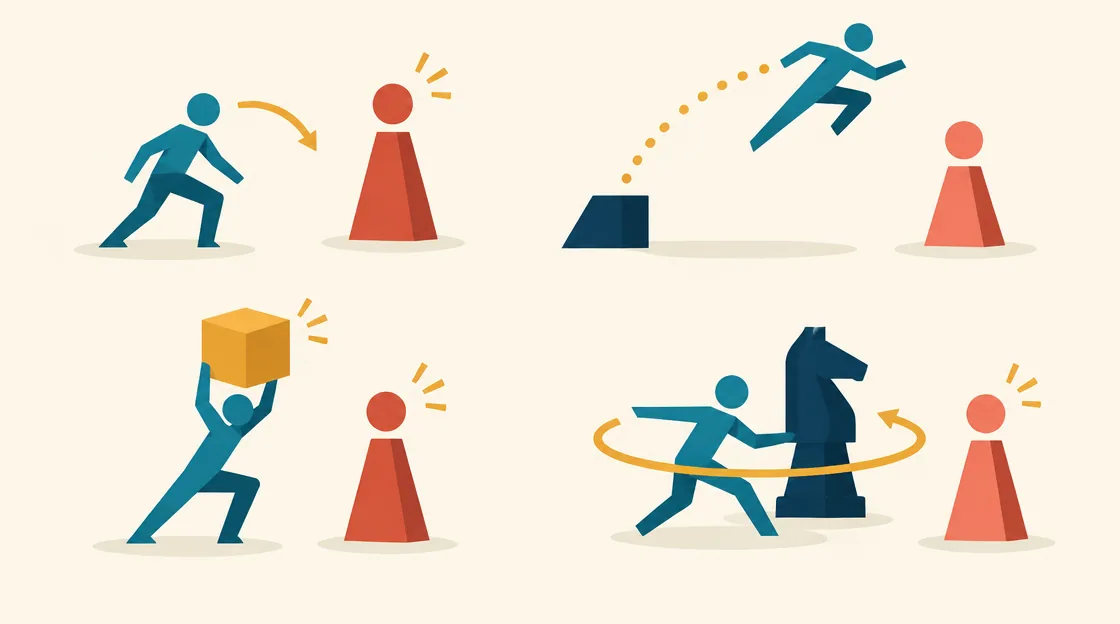
Work through an invented enemy-and-gap section
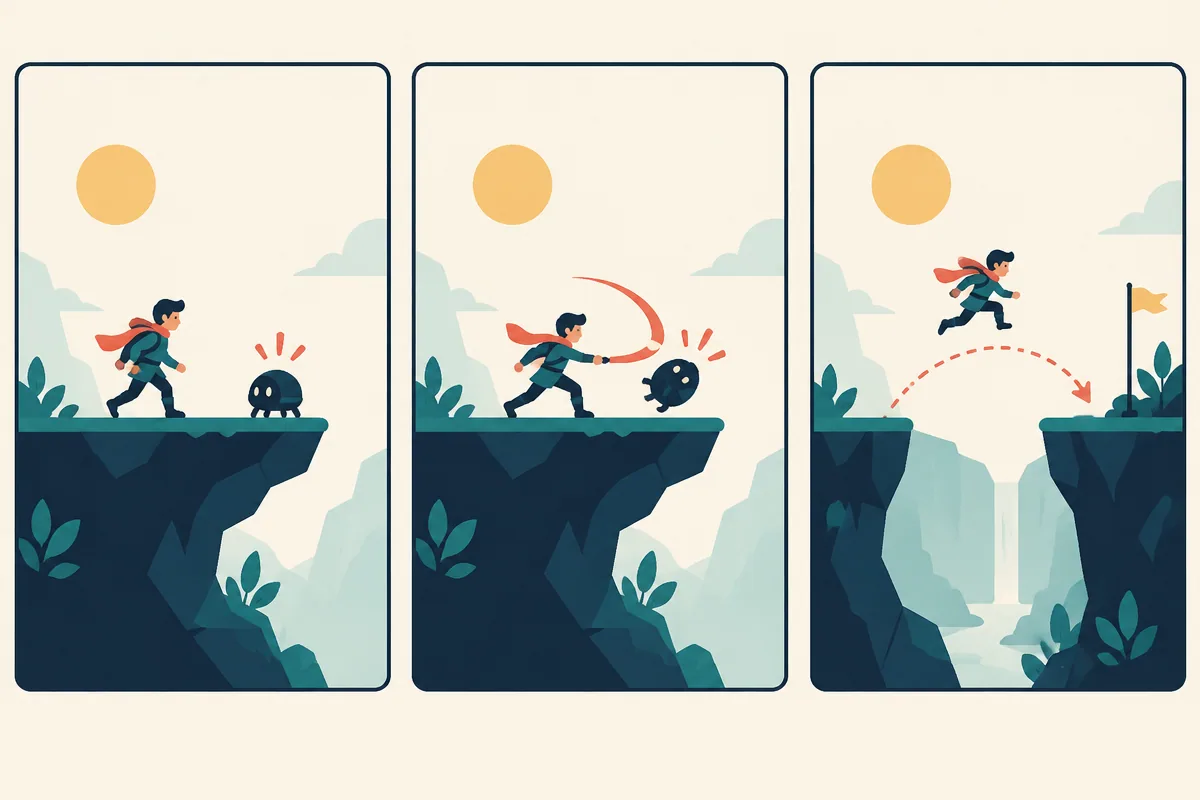
Hypothetical encounter-planning diagram; not a combo or level solution.
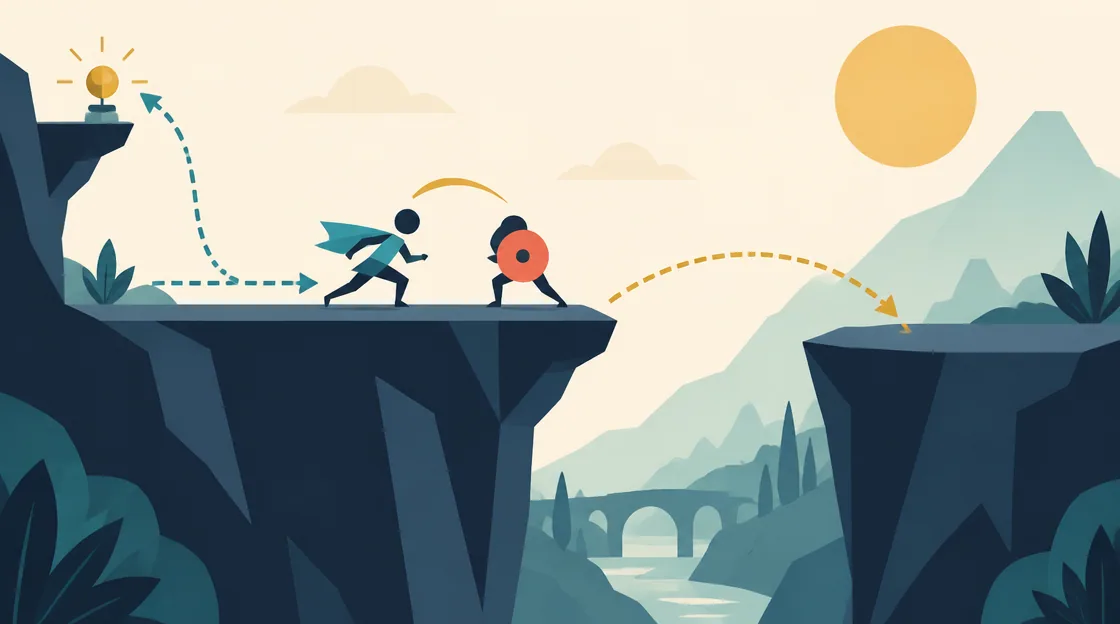
Imagine an opponent on a narrow ledge before a gap, with a broad platform beyond. First locate the surface you want after the encounter. Next identify whether the current action moves, attacks or interacts. Then decide which action can occur while preserving that destination. A weapon pickup off to the side adds another possible detour.
If an attempt fails, name the stage: approach, activation, contact or landing. A correct attack followed by a fall calls for a different adjustment from an unacquired weapon or a mistaken dash input. This hypothetical method is not a level-specific combo or a claim that every enemy can be cleared in one action.
Combat platformers: repeat one part of the encounter deliberately
On the next attempt, keep the route goal steady and adjust the part that failed. Confirm the correct action, begin from a clearer position or choose a landing with a better continuation. Avoid changing weapon, approach and movement timing simultaneously unless the level forces it.
These four games combine platform space with different action sets. The shared method is to connect the encounter to a destination. That keeps combat useful to advancing through the level, rather than allowing a successful hit to hide an unresolved movement problem.
Related tags
Frequently asked questions
Why can a successful attack still lead to a failed section?
The character may be left beside an edge, gap or another enemy. The position after contact is part of the route, not just the attack result.
What does Space do in Stick vs Zombies?
Its documented action is a quick dash. E picks up or drops items, and left mouse attacks, with a held superattack.
Which game documents a double jump?
Red Stickman vs Monster School uses Up Arrow to jump and another tap to double jump. Space is its separate attack.
How does Ninja in Cape activate collected weapons?
Its guide refers to the displayed attack control, alongside arrow movement and Space jumping. Confirm that control before combining it with a difficult landing.
What is Super Slashman’s separate sword action?
Z slashes with the cyber sword, while arrow keys move. Keep a useful standing surface in mind while approaching a robot.
What should I change on a replay?
Identify whether approach, activation, contact or landing failed, then adjust that part. Changing unrelated actions makes the next result harder to interpret.
Try a platform fighter with a documented double jump
Play Red Stickman vs Monster SchoolMore action guides
 Action
Side-Scrolling Shooters: Ground Fire or Aerial Routes
Compare side-scrolling shooters by ground movement, free flight, enemy approaches and mission structure in Alpha Guns, Crazy Plane Shooter and Super Pork.
 Action
Top-Down Shooter Games: Movement, Aim and Open Space
Compare top-down shooters by movement, aiming and the space you must protect in Geometry Gunner, The Room and In Space.
 Action
Flight Runner Games: Glide, Climb and Follow the Light
Compare flight runners by steering, upward taps, boosts and light management in Paperly, Horizon, Going Up and Shadobirds.
 Action
Melee Action Games: Compare Reach, Movement and Pace
Compare melee action games by movement, weapon interaction, aimed leaps and spinning attacks in four Zigzigo brawlers.